Essential Ship Chandling Essentials for Indian Waters
- info6133055
- Jun 22
- 4 min read
When vessels dock at Indian ports, ensuring they are fully equipped and ready for the next leg of their journey is critical. The maritime industry depends heavily on efficient supply chains and reliable services to maintain smooth operations. One of the key services that support this is ship chandling. In this post, I will share insights into the essential ship chandling essentials for Indian waters, highlighting practical information that can help vessels stay well-prepared and seaworthy.
Understanding Ship Chandling Essentials in Indian Ports
Ship chandling is the process of supplying ships with necessary provisions, equipment, and services while they are in port. Indian ports, with their strategic location and busy maritime traffic, require a robust system of supply to meet the diverse needs of vessels. The essentials for ship chandling in Indian waters include:
Provisions and Food Supplies: Fresh and dry food items, beverages, and catering supplies.
Technical and Safety Equipment: Spare parts, safety gear, and maintenance tools.
Fuel and Lubricants: Essential for the smooth operation of the ship’s engines.
Water and Consumables: Freshwater, cleaning agents, and other consumables.
Documentation and Customs Support: Assistance with paperwork and compliance with port regulations.
Each of these categories plays a vital role in ensuring that ships can continue their voyages without delay or compromise in safety.
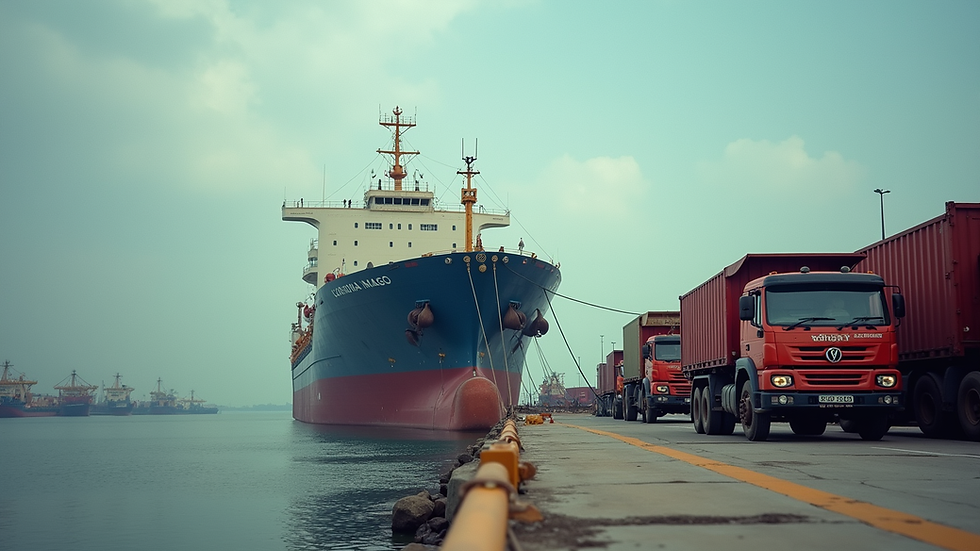
Key Ship Chandling Essentials for Indian Waters
The Indian maritime environment presents unique challenges and opportunities for ship chandlers. Here are some of the most important essentials that vessels should prioritize when calling at Indian ports:
1. Fresh and Quality Provisions
Ships require a steady supply of fresh fruits, vegetables, meat, and dairy products. Indian ports have access to a wide variety of fresh produce, but timely delivery and quality control are crucial. Chandlers must ensure that all food items meet international standards and are stored properly to avoid spoilage.
2. Spare Parts and Technical Supplies
Mechanical issues can arise unexpectedly. Having access to spare parts such as engine components, filters, and electrical supplies is essential. Indian ports often stock a wide range of technical supplies, but advance ordering and coordination can save valuable time.
3. Safety and Protective Equipment
Safety is paramount in maritime operations. Chandlers should provide personal protective equipment (PPE), firefighting gear, and lifesaving appliances. Indian regulations require strict adherence to safety standards, making this an indispensable part of ship chandling.
4. Fuel and Lubricants
Reliable fuel supply is a cornerstone of maritime operations. Indian ports offer various grades of marine fuel and lubricants. Ensuring the quality and timely delivery of these products helps prevent engine failures and operational delays.
5. Freshwater and Cleaning Supplies
Ships need large quantities of freshwater for drinking, cooking, and cleaning. Additionally, cleaning agents and detergents are necessary to maintain hygiene onboard. Indian ports typically have efficient water supply systems, but coordination is key to avoid shortages.
6. Documentation and Regulatory Assistance
Navigating customs and port regulations can be complex. Chandlers often assist with documentation, customs clearance, and compliance with local laws. This support helps vessels avoid fines and delays.
By focusing on these essentials, vessels can maintain operational efficiency and safety while in Indian waters.
What is the meaning of chandling?
Chandling refers to the supply of goods and services to ships while they are in port. This includes everything from food and water to technical equipment and fuel. The term originates from the traditional role of a "chandler," who was a dealer in supplies for ships. Today, chandling is a comprehensive service that ensures vessels have everything they need to operate safely and efficiently during their stay in port.
The process involves coordination between ship agents, suppliers, and port authorities to deliver the required items promptly. Effective chandling minimizes downtime and helps ships meet their schedules.
Practical Tips for Efficient Chandling in Indian Ports
To maximize the benefits of ship chandling services in Indian waters, consider the following practical recommendations:
Plan Ahead: Submit supply requests well in advance to avoid last-minute shortages.
Verify Quality: Always check the quality of provisions and technical supplies upon delivery.
Coordinate with Agents: Maintain clear communication with local ship agents who understand port procedures.
Understand Local Regulations: Familiarize yourself with Indian customs and port rules to ensure smooth clearance.
Use Reliable Chandlers: Partner with established suppliers who have a proven track record in Indian ports.
These steps help reduce risks and ensure that vessels receive timely and accurate supplies.

The Role of Chandling in Supporting Maritime Operations
The importance of chandling cannot be overstated in the context of Indian waters. It acts as the backbone of maritime logistics, enabling ships to maintain their schedules and operational readiness. Efficient chandling services contribute to:
Reduced Turnaround Time: Quick supply delivery means ships spend less time in port.
Cost Efficiency: Bulk purchasing and local sourcing reduce overall expenses.
Safety Compliance: Access to certified safety equipment ensures regulatory adherence.
Crew Welfare: Quality provisions and supplies improve crew morale and health.
By investing in reliable chandling services, maritime businesses can enhance their operational capabilities and maintain a competitive edge.
Navigating Challenges in Indian Ship Chandling
While Indian ports offer many advantages, there are challenges that vessels and suppliers must navigate:
Port Congestion: High traffic can delay supply deliveries.
Customs Delays: Complex paperwork may slow down clearance.
Variable Quality: Not all suppliers maintain consistent standards.
Logistical Constraints: Infrastructure limitations in some ports affect supply chain efficiency.
Addressing these challenges requires proactive planning, strong local partnerships, and continuous monitoring of supply quality and delivery timelines.
Final Thoughts on Ship Chandling Essentials for Indian Waters
Ensuring that vessels are well-equipped and ready for their voyages is a continuous process. The ship chandling essentials discussed here form the foundation of successful maritime operations in Indian waters. By focusing on quality provisions, technical supplies, safety equipment, fuel, and regulatory support, ships can maintain their seaworthiness and operational efficiency.
Choosing the right partners and planning effectively are key to overcoming challenges and benefiting from the rich resources available at Indian ports. With the right approach, ship chandling becomes a seamless part of maritime logistics, supporting every vessel’s journey with reliability and professionalism.


Comments